Life in Leslieville moves fast—commutes, school runs, weekend markets—and it’s tempting to postpone routine care when nothing hurts. But the importance of regular dental checkups is exactly that: staying ahead of problems while they’re simple, comfortable, and affordable to fix. At Dental Land in Leslieville, Ontario, we organize visits to be calm, precise, and genuinely useful, not just a quick polish. In this guide, you’ll see the importance of regular dental checkups in plain English: what we examine, how often to come in, what changes between ages, and how small home habits make each appointment shorter. If you’ve been searching for dental Exams Leslieville and want clarity without the sales pitch, this is your practical roadmap.
What "Regular" Really Means—and Why It Works
For healthy mouths, six months is a proven cadence because plaque mineralizes into tartar within weeks, and early gum inflammation is reversible. This timing anchors the importance of regular dental checkups: frequent enough to catch silent changes, spaced enough to fit real life. If gums bleed, you’re pregnant, wear braces, or manage medical conditions, we may suggest three- or four-month intervals temporarily to stabilize tissues, then extend once things are calm.
The Importance of Regular Dental Checkups: What We Actually Do
A good checkup is more than “look and polish.” It’s a structured health review with measurable checkpoints.
- Gum Health Mapping: We record pocket depths (e.g., 2–3 mm is healthy) and bleeding points. Tracking numbers show whether home care is working.
- Cavity & Enamel Screening: We examine grooves, contact points, and any sensitivity trends you notice with cold or sweets.
- Bite & Wear Review: Subtle chipping or flat spots can signal grinding; catching this early protects enamel.
- Soft-Tissue & Oral Cancer Screen: A quick, systematic check of cheeks, tongue, and palate—small, crucial, and included.
- Targeted Imaging (When Needed): Low-dose radiographs only if results will change decisions—typically bitewings every 1–2 years in low-risk adults.
This structure turns the importance of regular dental checkups into practical outcomes you can feel: calmer gums, fewer surprises, and shorter visits.
Everyday Benefits You'll Notice at Home
Consistency pays off in ordinary moments—brushing without bleeding, fewer “zing” shocks with ice water, and breath that stays neutral between meals. The real-world importance of regular dental checkups shows up when floss glides instead of snagging and when your cleaning feels quick because there’s simply less to remove.
Also Read: How Often Should You Get a Dental Exam: A Practical Guide for Leslieville
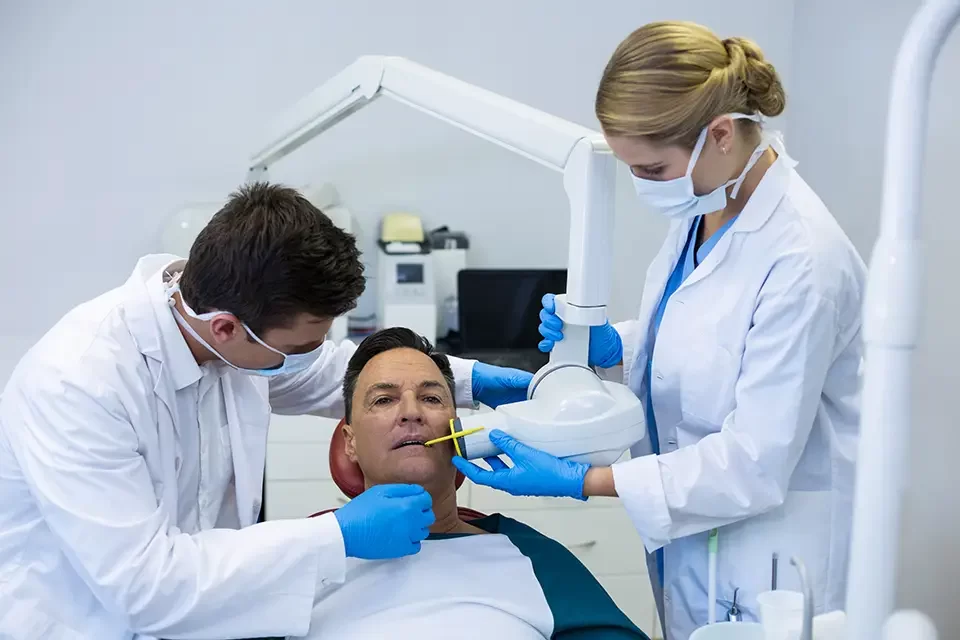
The Importance of Regular Dental Checkups: Catching Problems Early
Most dental issues are quiet before they’re urgent. That’s why timing matters.
- Tiny Cavities Stay Tiny: Early lesions can often be sealed, remineralized, or filled conservatively.
- Gum Inflammation Reverses: Regular scaling breaks the cycle before bone loss begins.
- Cracks Don’t Become Breaks: Smoothing, night guards, or small onlays prevent bigger, costlier fixes.
- Medical Clues Appear: Dry mouth from medications, reflux wear, or diabetes-related gum changes are easier to manage with early coaching.
These checkpoints underline the importance of regular dental checkups: small corrections now prevent big procedures later.
Age-by-Age Planning
Mouths change; your plan should, too.
- Children (0–12): Two cleanings a year, sealants for deep molar grooves, fluoride where risk is higher, plus bite and eruption checks.
- Teens (13–18): Hygiene support around braces or aligners, sports mouthguards, and coaching on snacks and sips that drive acid exposure.
- Adults (19–64): Gum maintenance, crack/wear prevention for desk-time clenchers, and targeted whitening or bonding if you want cosmetic tweaks.
- Seniors (65+): Dry-mouth strategies, denture/implant maintenance, and medication-aware care to keep chewing comfortable and social.
This adaptive approach reinforces the importance of regular dental checkups across every season of life.
Home Habits That Multiply Your Results
Technique beats gadgets. Angle a soft brush 45° to the gumline and use small circles; scrubbing misses margins that matter. Clean between teeth daily—floss, interdental brushes, or a water flosser—whichever you will do consistently. Rinse with water after coffee or citrus and wait 30 minutes before brushing to protect softened enamel. These simple moves make the importance of regular dental checkups visible in your mirror: less plaque, calmer gums, and a cleaning that feels routine, not heroic.
The Importance of Regular Dental Checkups: Comfort & Anxiety Support
Nerves are normal. We plan shorter sessions, topical numbing where useful, and a clear “raise-your-hand” pause rule so you stay in control. Intraoral photos replace guesswork with something you can see, and we narrate steps briefly before we do them. When you’re comfortable, consistency sticks—and the importance of regular dental checkups becomes a habit, not a hurdle.
Costs, Time, and Transparency (They Vary by Factors)
Good planning starts with clear expectations. Preventive visits typically run 45–75 minutes, depending on scaling time and whether radiographs are due. Fees vary with time, complexity, and any add-ons (e.g., localized desensitizing). Before anything non-routine, we provide a written estimate, stage care when appropriate, and explain priority order. The best value is preventive rhythm plus small, timely fixes—the financial side of the importance of regular dental checkups.
What a First Visit Looks Like at Dental Land, Leslieville
We begin with your story—comfort goals, sensitivity, past experiences—then move to a targeted exam, gum charting, and photographs of any areas to watch. If imaging makes sense, we’ll explain why and what it changes. You’ll leave with a short home plan (two or three high-impact tweaks) and a clear next step. This is the importance of regular dental checkups made tangible: objective measures, plain-language coaching, and no surprises.
Also Read: Oral Health Checkups: A Practical Guide for Stronger Everyday Smiles
Common Myths, Clarified
- “Nothing hurts, so I’m fine.” Pain is late; gums and enamel change quietly first.
- “Cleanings damage enamel.” Professional instruments remove deposits, not enamel; smoother surfaces actually resist plaque.
- “Electric brushes fix everything.” Technique and consistency matter more than the tool; we’ll help you master both.
These points circle back to the importance of regular dental checkups—knowledge plus rhythm beats last-minute fixes.
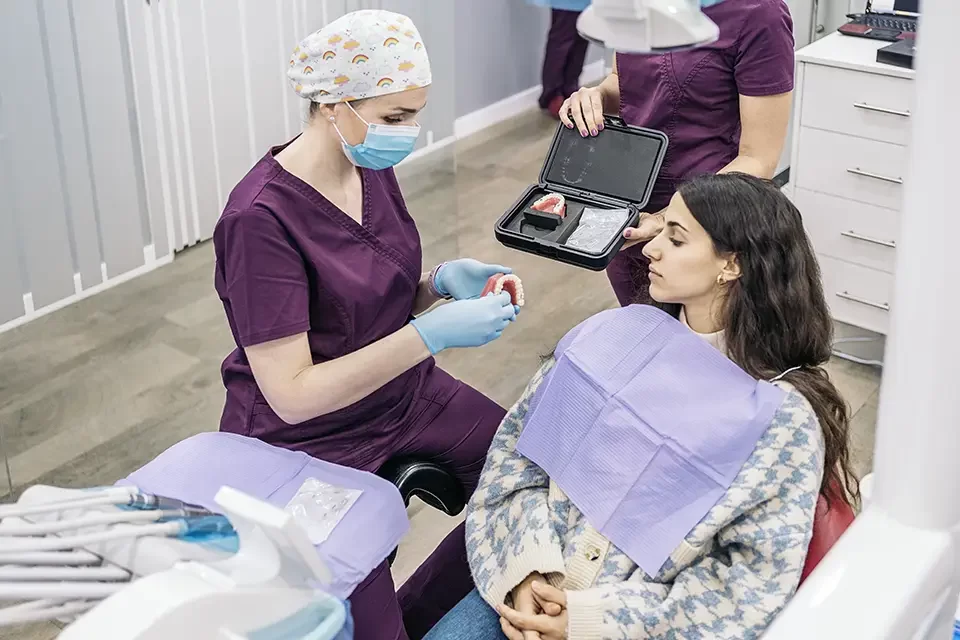
Why Choose Dental Land in Leslieville
Local continuity matters. Our team tracks changes visit-to-visit, photographs progress, and builds plans that respect budgets and calendars. We recommend the smallest step that solves the real problem—whether that’s a sealant today, a night guard for grinding, or a conservative filling before a trip. That’s the importance of regular dental checkups in practice: steady, evidence-based care that keeps you comfortable all year.
Conclusion
Healthy mouths aren’t an accident—they’re the result of small, steady actions backed by thoughtful checkups. When you understand the importance of regular dental checkups, you can keep appointments short, procedures conservative, and costs predictable. If it’s been a while—or you want a clinic that explains decisions in plain English—book a visit at Dental Land in Leslieville, Ontario. We’ll map your baseline, clean thoroughly, and send you home with two or three simple habits that make every future visit easier.
FAQs — Importance of Regular Dental Checkups
How often should I book if my gums bleed when I floss?
We may suggest visits every three to four months for a short period to calm inflammation, then return to six months once tissues stabilize. This cadence turns the importance of regular dental checkups into faster healing and shorter appointments.
Do I really need X-rays if I'm not in pain?
Targeted, low-dose radiographs reveal decay between teeth and bone changes that a mirror can’t show. We take them only when results will change decisions—part of responsible, measured care.
Can regular visits help with bad breath?
Yes. Professional removal of tartar and bacteria below the gumline is often the turning point. Pair that with daily interdental cleaning and hydration, and most patients notice steadier freshness within weeks—the everyday payoff of the importance of regular dental checkups.
What if I'm anxious or have had a bad experience elsewhere?
Tell us upfront. We’ll plan shorter visits, add topical numbing where helpful, and keep communication clear and calm. Comfort supports consistency, which is how checkups do their best work.