Tooth twinges, bleeding gums, or a chip you keep tonguing—most people wait and hope these pass. The truth is, small oral changes are often early signs you need a dental exam, and acting sooner keeps treatment simple and affordable. At Dental Land in Leslieville, our job is to decode symptoms you notice (and the ones you don’t), then map a plan that restores comfort without fuss. In this guide, you’ll learn the most common signs you need a dental exam, what they usually mean, how a modern visit works, and the timelines you can expect. If you’ve been searching for dental exams Leslieville, consider this your practical, no-hype checklist—written so you can decide with confidence and book at the right moment.
Signs You Need a Dental Exam: The Short List (Fast Scan)
When in doubt, check this quick snapshot and then read the deeper explanations below.
- Pain that spikes with cold, sweetness, or chewing
- Bleeding when you brush or floss, or sore, puffy gums
- Persistent bad breath or a strange taste that won’t go away
- Sensitivity that lingers more than a minute
- A chipped, cracked, or rough edge on any tooth
- Jaw tension, morning headaches, or a click that’s new
- Dark lines at old fillings or a shadow on a tooth
- Sores that don’t heal within two weeks
- Dry mouth most of the day or at night
- You’re overdue (more than 6–9 months since your last check)
Each of these can be a small flag now—and a bigger fix later—so recognizing them as signs you need a dental exam pays off.
Why These Signs Matter
Enamel doesn’t hurt; the living tooth under it does. When acids from plaque soften enamel, tiny passages open and irritate the nerve: that’s the “zing” with cold or sweets. Inflamed gums bleed easily because the body is sending extra blood cells to fight bacteria. Chips and cracks collect plaque and stress; breath changes when bacteria thrive where brushes can’t reach. Reading symptoms early turns a potential crown into a simple filling and turns gum therapy into a routine cleaning. That’s the power of spotting the signs you need a dental exam while problems are still small.
Also Read: Dental Exam vs Dental Cleaning: What’s the Difference and Why Both Matter
The Top 10 Signs You Need a Dental Exam (Explained)
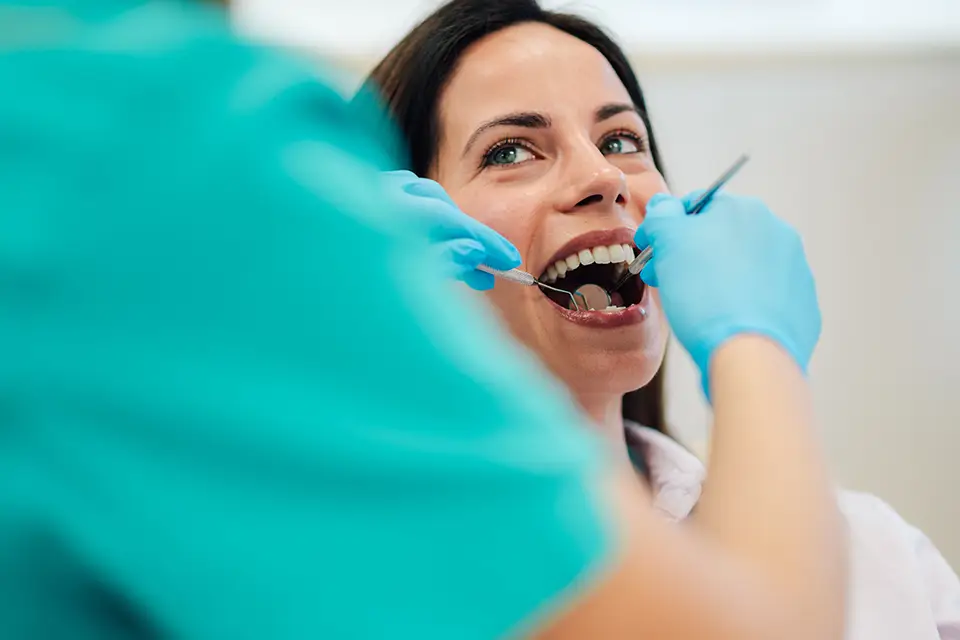
- Sharp Sensitivity to Cold or Sweet
- A brief twinge can be normal; pain that lingers often points to decay or enamel wear. Left alone, sensitivity usually spreads.
- Bleeding Gums (Even a Little)
- Healthy gums don’t bleed. Bleeding is one of the clearest signs you need a dental exam—typically, early gum disease, which is easiest to reverse now.
- Bad Breath That Stays
- Persistent odour signals trapped plaque, gum inflammation, or decay. A professional clean and targeted home care fixes what mouthwash can’t.
- Pain on Biting or Chewing
- Often, a crack, high bite, or deep cavity. Early diagnosis prevents larger fractures and saves more natural teeth.
- Chipped, Rough, or Broken Edges
- Edges catch plaque and stress. Small, same-day repairs protect the tooth and your tongue.
- Stains That Don’t Brush Off
- External stains lift; internal darkening or a shadow at the gumline may indicate a failing filling—another timely sign you need a dental exam moment.
- Sores Lasting Beyond Two Weeks
- Most spots heal quickly; persistent ones deserve a professional look to rule out infection or other conditions.
- Jaw Clicks, Morning Headaches, or Tooth Wear
- Night clenching can chip teeth and inflame joints. A guard and small bite adjustments prevent bigger issues.
- Dry Mouth Day or Night
- Saliva protects teeth. Medications, mouth-breathing, or dehydration increase cavity risk. We’ll help restore moisture and protection.
- You’re Overdue
- Time alone hides issues. A routine visit finds silent problems—like tiny cavities between teeth—before you feel them.
What Those Symptoms Usually Mean (And What We Do)
Most problems fall into three buckets:
- Tooth Trouble: Decay, cracks, or worn edges. We remove softened areas conservatively and seal with a bonded filling; deeper issues may need a crown.
- Gum & Bone Health: Early inflammation (gingivitis) responds to a professional clean and home-care tweaks. Deeper pockets need focused therapy to stop progression.
- Bite & Habits: Clenching, grinding, or a high restoration can cause pain and wear. We adjust contacts, consider a custom night guard, and coach jaw-rest posture.
Understanding these patterns turns spotting the signs you need a dental exam into a straightforward next step instead of guesswork.
Signs You Need a Dental Exam: What Happens at the Visit (Step by Step)
- Conversation First: Your story guides the exam—when pain happens, how long it lasts, what you’ve tried.
- Targeted X-rays (as needed): We only take images that add clarity (e.g., between-tooth decay checks).
- Clinical Exam: Gums, bite, enamel, and existing dental work—plus oral cancer screening.
- Photos: Helpful for small cracks, colour changes, and “before/after” clarity.
- Priority Map: What’s urgent, what can wait, and what to monitor.
- Clean, Polish, and Coaching: We remove build-up and show small, specific changes that make daily care easier.
You leave with a simple plan—and, if needed, a written estimate—so responding to the signs you need a dental exam feels organized, not overwhelming.
Also Read: How Often Should You Get a Dental Exam: A Practical Guide for Leslieville
Timing, Comfort, and Recovery (What to Expect)
Most exams and cleans fit into a single appointment. If you need treatment, small fillings are typically quick and comfortably done with local anesthetic; sensitivity after a cleaning is usually mild and fades within a day or two. For anxious patients, we pace visits and offer comfort options to keep the experience calm and predictable.
Costs and Scheduling (They Vary by Factors)
Fees depend on what we find: a routine cleaning and polish is different from therapy for gum pockets or multiple fillings. If you have benefits, we can check eligibility and provide a pre-estimate. Don’t let costs delay care—acting on the first signs you need a dental exam almost always shortens treatment and reduces total spend.
Signs You Need a Dental Exam: Prevention That Actually Works (Small Habits, Big Wins)
- Floss Before You Brush at Night: Lifts debris so fluoride can contact clean surfaces.
- Angle Matters: Brush at 45° to the gumline; small circles beat hard scrubbing.
- Two-Minute Rule, Twice Daily: Add a 30-second tongue clean for fresher breath.
- Rinse, Don’t Scrub After Acids: Had citrus or soda? Rinse with water; brush 20–30 minutes later.
- See Us on a Rhythm: Most adults do best at 6-month intervals; gum-prone patients benefit from every 3–4 months.
These basics reduce how often you’ll notice the signs you need a dental exam in the first place.

Why Dental Land in Leslieville (Local Advantage)
You get clear explanations, photos you can keep, and a plan scaled to your calendar and comfort. We use conservative techniques, focus on prevention, and communicate in plain English. Whether it’s a tiny shadow between teeth or a tender gum pocket, we act early, fix precisely, and help you keep results stable at home.
Conclusion
Small signals—bleeding with floss, a twinge with cold, a chip that just appeared—are your mouth asking for attention. Treating these as signs you need a dental exam protects comfort today and prevents bigger fixes later. If something feels off—or it’s simply been a while—book a visit with Dental Land in Leslieville. We’ll check thoroughly, prioritize clearly, and map a simple path back to calm, healthy, confident teeth and gums.
FAQs — Signs You Need a Dental Exam
If my tooth only hurts sometimes, should I still come in?
Yes. Intermittent pain is one of the classic signs you need a dental exam—often early decay or a crack. Catching it now keeps treatment small.
My gums only bleed when I floss harder—does that matter?
Healthy gums don’t bleed. Even light bleeding signals inflammation that a professional clean and simple home tweaks can reverse quickly.
How long can I wait with a chipped tooth?
Small chips collect plaque and can propagate into larger cracks. Fast, conservative smoothing or bonding protects the tooth and your tongue.
Do I need X-rays on every visit?
Not always. We take them based on risk, symptoms, and time since your last set. Targeted images help us find between-tooth decay and confirm healing.