Right after an extraction, most people aren’t worried about gourmet meals — they’re worried about comfort, healing, and not doing anything that could set them back. Choosing soft foods to eat after tooth extraction is one of the simplest ways to protect the clot, reduce irritation, and make the first few days more manageable. At Dental Land in Leslieville, we see how often recovery improves when patients plan their meals before the appointment rather than making food decisions while uncomfortable after treatment. This guide breaks down soft foods to eat after tooth extraction by day, explains what textures to avoid, and shares small “real-life” tips that make eating easier.
Why Soft Foods Matter After An Extraction
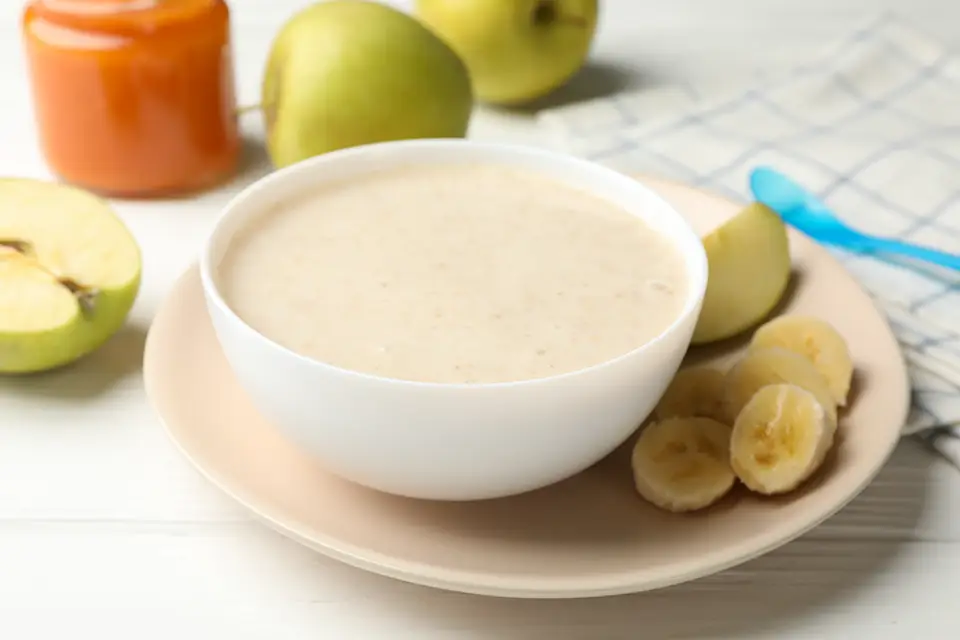
For the first several days, your mouth is doing active repair work. The socket forms a stable clot, gum tissue begins closing the area, and deeper healing continues underneath. Picking the right soft foods to eat after tooth extraction helps avoid scraping the site, reduces chewing pressure, and makes it less likely that food will pack into the socket.
Soft choices also make it easier to keep up with nutrition when your appetite is lower. Protein, fluids, and gentle calories support recovery — especially if you’re not sleeping well the first night or two.
Soft Foods To Eat After Tooth Extraction In The First 24 Hours
The first day is about protecting the clot and keeping chewing to a minimum. Start with cooler or room-temperature items until the numbness wears off, then shift to lukewarm foods if comfortable. A simple rule: if it needs serious chewing, it can wait.
Here are reliable soft foods to eat after a tooth extraction on day one:
- Smooth yogurt or kefir (avoid seeds or crunchy add-ins)
- Applesauce or fruit purée (no citrus if it stings)
- Pudding, custard, or gelatin
- Mashed potatoes (warm, not hot)
- Scrambled eggs (soft and moist)
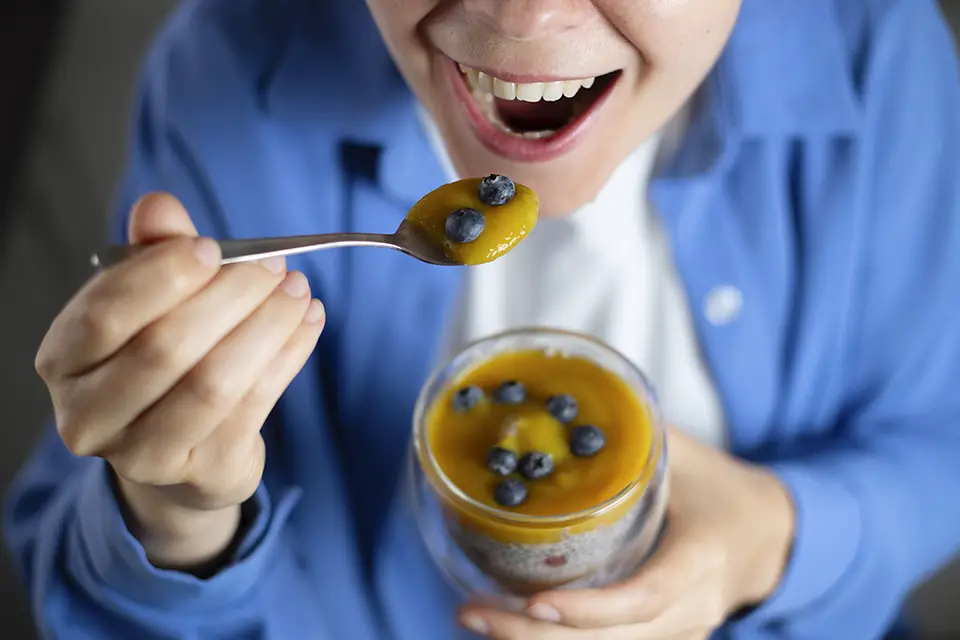
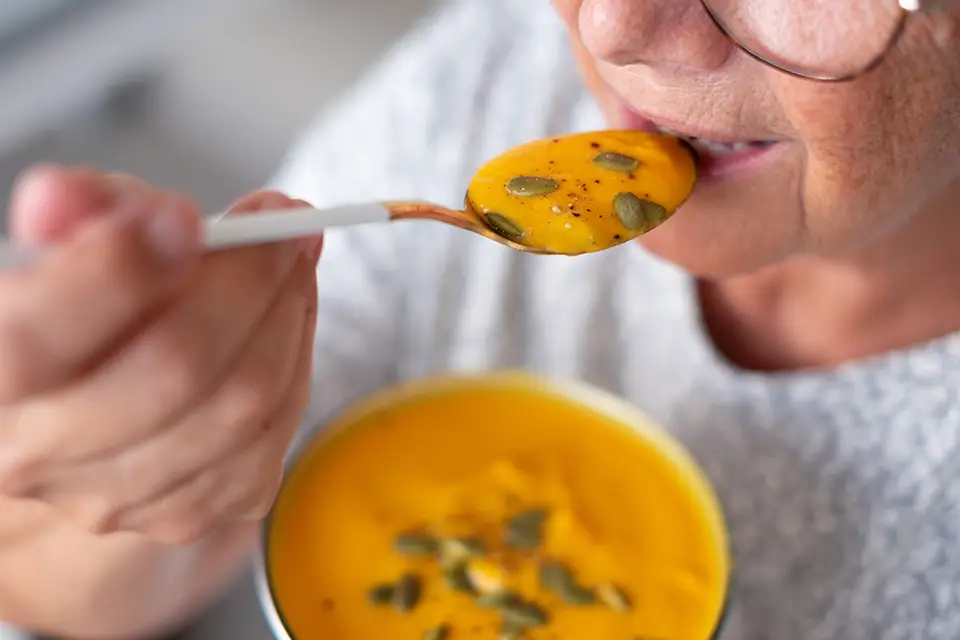
- Smooth soups (blended; let them cool a bit first)
What To Avoid Even If It Seems "Soft"
A food can be soft but still risky if it breaks into particles, has sharp edges, or pulls on the clot. This is where people get surprised: they choose something that feels gentle, then the socket gets irritated.
To protect healing, avoid these early on:
- Rice, quinoa, or couscous (small grains can lodge in the socket)
- Toast, chips, crackers, or crusty bread (crumbs and sharp edges)
- Spicy foods (can sting inflamed tissue)
- Very hot foods and drinks (heat may increase bleeding early)
- Sticky foods like chewy candy (pulling force is the issue)
If you’re unsure, choose smoother textures you can swallow with minimal chewing.
Soft Foods To Eat After Tooth Extraction On Days 2–3
By day two, swelling and tenderness often peak, then start to ease. Many people can widen their menu slightly while still staying cautious. Keep chewing away from the extraction side whenever possible, and continue choosing foods that don’t shed crumbs.
Practical soft foods for days 2–3 include:
- Oatmeal or cream of wheat (fully softened; not piping hot)
- Cottage cheese or ricotta
- Soft pasta (well-cooked) with smooth sauce
- Soft fish (like baked salmon) that flakes easily
- Avocado, hummus, or smooth dips
- Smoothies (spoon preferred; avoid straws early)
How To Build A One-Week Food Progression
Most patients want a clear timeline. Healing varies, but you can usually “step up” texture gradually if there’s no new bleeding, the site feels calmer, and chewing doesn’t cause throbbing. Continue choosing soft foods until normal chewing feels comfortable.
A practical progression looks like this:
- Days 1–2: Smooth, spoonable, minimal chewing
- Days 3–4: Soft, fork-mashable foods; small bites; chew on the opposite side
- Days 5–7: Tender proteins and soft-cooked vegetables; avoid hard crunch and small grains if food packs easily
- After 1 Week: Many people return to normal eating, but continue avoiding very hard foods on that side until fully comfortable
If you had a surgical extraction or stitches, your timeline may be longer — your dental professional will guide you.
Hydration And Comfort Tips That Actually Help
Eating is only part of it. Dry mouth, tenderness, and fatigue can make meals harder than expected. Alongside soft foods, simple comfort habits reduce setbacks.
A few clinically safe, practical tips:
- Sip water regularly, especially if you’re taking pain relief medications.
- Use lukewarm salt-water rinses after the first 24 hours if advised (gentle, no forceful swishing).
- Take smaller meals more often rather than trying to “power through” one big meal.
- Choose moist foods; dryness makes chewing harder and can irritate tissues.
Soft Foods To Eat After Tooth Extraction Without Losing Nutrition
A common issue is that “soft” becomes “low protein,” and patients feel weak or hungry. You can keep nutrition solid without moving beyond soft foods too early.
To improve nutrition while staying gentle:
- Add Greek yogurt to smoothies for protein (spoon it; no straw early).
- Mix soft scrambled eggs with a little cheese for calories and protein.
- Blend soups with lentils or soft beans to increase protein and fibre.
- Choose tender proteins like flaky fish or very soft shredded chicken once chewing feels safe.
If nausea is an issue, start with bland foods and small amounts, then scale up.
Conclusion
Choosing soft foods to eat after tooth extraction is less about restrictions and more about giving the socket the calm, protected environment it needs to heal. Smooth textures, gentle temperatures, and foods that don’t crumble are the safest starting point. As swelling eases, you can build back toward regular meals step by step, watching for comfort and keeping chewing away from the area at first.
If questions come up during recovery — especially about pain changes, food packing in the socket, or what to eat next — Dental Land in Leslieville can help with clear guidance. Book a follow-up or call the clinic for advice so you can heal confidently and get back to normal eating without unnecessary setbacks.
FAQs — Soft Foods To Eat After Tooth Extraction
How long do I need to eat soft foods after a tooth extraction?
Most people rely on soft foods to eat after tooth extraction for at least 2–3 days, then gradually add more texture as comfort improves. Surgical extractions or stitches can extend that timeline. If chewing causes throbbing or bleeding, stay softer a bit longer.
Can I have a smoothie on day one?
Yes, smoothies can be good, but avoid using a straw early because suction can disturb the clot. Drink from a cup or eat it with a spoon. Skip seeds or gritty add-ins.
Are pasta and rice safe after an extraction?
Well-cooked pasta can fit the soft foods to eat after tooth extraction category after the first day or two. Rice is trickier because grains can lodge in the socket, so many dental professionals recommend avoiding it early on.
What if food keeps getting stuck in the socket?
A little food residue can happen, but persistent packing can irritate the healing. Stick to smoother soft foods and follow your clinic’s cleaning guidance. If it’s painful or you notice a bad taste, call for advice.