If you’re planning a tooth removal, you’re probably wondering about tooth extraction healing time—not just in theory, but what it means for eating, work, and sleep this week. At Dental Land in Leslieville, we map recovery around your specific procedure, health, and routine so you know what’s normal and what deserves a call. In this guide, we’ll explain tooth extraction healing time with practical checkpoints, simple do’s and don’ts, and real timelines for soft-tissue closure and bone remodelling. Because you asked locally, we also outline how our dental extractions Leslieville team schedules follow-ups and answers urgent questions the same day.
What Actually Affects Tooth Extraction Healing Time
Healing isn’t one number—it’s a set of overlapping stages. Your pace depends on:
- Type of extraction: Simple (intact tooth, minimal manipulation) vs. surgical (sectioning bone or tooth).
- Site and size: Molars and multi-rooted teeth need more time than small incisors.
- Blood clot quality: A stable clot is the foundation of all healing.
- Your biology: Age, circulation, and immune response matter.
- Medical factors: Diabetes control, medications (e.g., blood thinners, bisphosphonates), and smoking/vaping.
- Home care: Gentle hygiene, food choices, and activity level directly influence stability.
Understanding these variables lets us estimate tooth extraction healing time with accuracy rather than guesswork.
Tooth Extraction Healing Time: The First 24–72 Hours (What to Expect)
This is the clot-protection phase—your top priority.
- Bleeding: Oozing tapers over a few hours with firm gauze pressure; slight pink saliva is common the first evening.
- Swelling: Peaks at 48–72 hours, especially for surgical sites. Cold compresses, 10 minutes on/10 off while awake, help.
- Discomfort: Usually managed with over-the-counter analgesics unless your clinician prescribes more.
- Sleep: Extra pillows to keep your head elevated reduce throbbing.
- Absolute don’ts: No straws, forceful spitting, smoking, or vigorous rinsing—anything that dislodges the clot resets tooth extraction healing time.

Week-By-Week Tooth Extraction Healing Time (Soft Tissue + Bone)
Think in milestones:
- Days 1–3: Clot forms and stabilizes; edges of the socket begin sealing.
- Days 4–7: Early tissue knit; tenderness fading; most patients return to normal office work if diet and hygiene are gentle.
- Week 2: Pink, resilient tissue covers most of the socket; mild “itchy healing” sensations are common.
- Weeks 3–4: Soft tissue is strong; you can usually resume full brushing over the site with a soft brush.
- Months 1–3: Bone remodelling fills in the socket from the bottom up. If you’re planning implants or bridges, we’ll schedule scans and next steps for this phase of tooth extraction healing time.
Normal vs. Not: Pain, Swelling, and Sensations
- Normal: Dull ache that improves daily, mild swelling peaking by day three, slight jaw stiffness, and sensitivity to temperature.
- Call Us: Pain that worsens after day three, foul taste/odour, fever, expanding swelling, or numbness that doesn’t recede as expected.
- Dry socket alert: Throbbing pain radiating to the ear, bad taste, and a visible, empty-looking socket. Early care brings quick relief and resets the clock on tooth extraction healing time.
Eating and Oral Care During Tooth Extraction Healing Time
Protect the clot; keep the area clean without pressure.
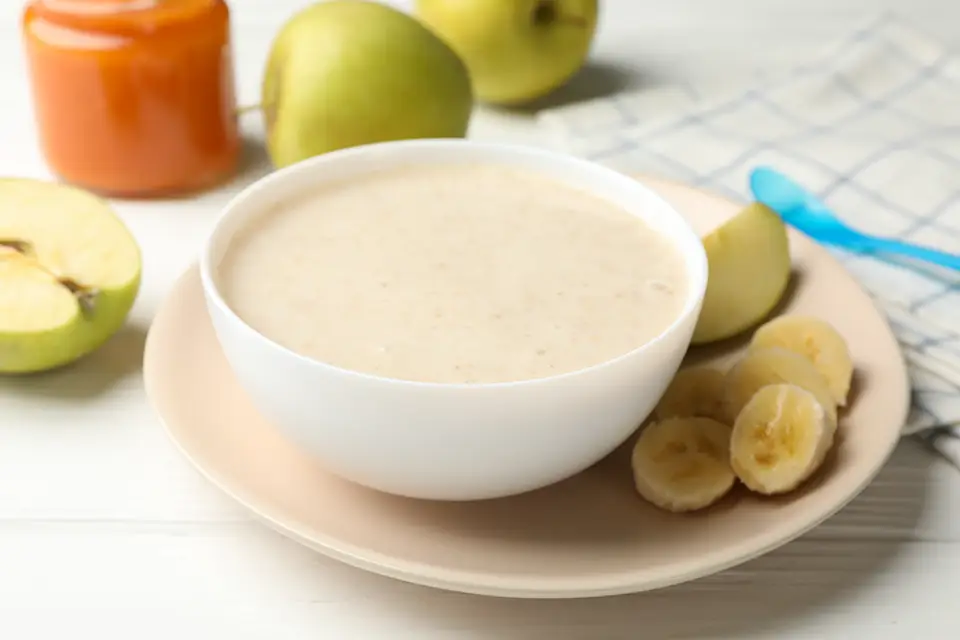
- Day 0–1: Cool, soft foods—yogurt, smoothies with a spoon (no straw), mashed potatoes, eggs.
- Day 2–3: Advance to tender pasta, fish, ripe bananas, soups (not scalding).
- After Day 3: Introduce normal textures on the opposite side first.
- Brushing: Brush other teeth as usual from day one; for the site, skirt the margin gently for 48–72 hours, then increase contact with a soft brush.
- Rinsing: Warm saltwater or clinic-recommended rinse starting day two, swished gently. This keeps healing on schedule and prevents detours in tooth extraction healing time.
Activity, Workouts, and Sleep: How to Keep Healing on Track
- Work: Desk roles often resume in 1–3 days; physical jobs may need 3–5 days (surgical sites longer).
- Exercise: Skip strenuous activity for 72 hours; an elevated heart rate can restart bleeding. Return gradually and stop if throbbing increases.
- Sleep: Back or slightly upright positions minimize pressure; avoid sleeping on the extraction side for the first few nights.
Tooth Extraction Healing Time: Medicines, Mouthrinses, and Habits That Help (or Hurt)
- Analgesics: Take as directed; don’t wait for severe pain to start.
- Antibiotics: Only when prescribed for specific indications. Finish the course.
- Mouthrinses: Alcohol-free options and saltwater are gentler on tissues.
- Smoking/Vaping: Each puff disrupts clot chemistry and oxygenation, prolonging tooth extraction healing time. A 72-hour minimum pause is non-negotiable; longer is better.
Special Cases: Wisdom Teeth, Surgical Sites, and Medical Considerations
- Wisdom teeth (impacted): Expect more swelling and 5–7 days before you feel “normal,” with full soft-tissue strength by week three.
- Sectioned teeth or bone removal: Recovery mirrors wisdom-tooth patterns; we schedule extra check-ins.
- Diabetes: Tight glucose control improves outcomes. We coordinate timing and, if needed, antibiotics.
- Blood thinners: Don’t stop without medical clearance. We plan local measures to control bleeding and review personalized tooth extraction healing time expectations.
Stitches, Sockets, and Follow-Ups (What the Calendar Looks Like)
- Sutures: Dissolving stitches typically soften and release in 7–10 days; non-resorbable sutures are removed in the clinic.
- Check-ups: We like to see you around day 7–10 to confirm stable tissue and refine home care.
- Next steps: If you’re replacing the tooth (implant/bridge), we’ll map imaging and timelines to your site’s healing curve so prosthetic work aligns with biology—not the other way around.
Tooth Extraction Healing Time: Costs and Planning (They Vary by Factors)
Fees reflect complexity (simple vs. surgical), imaging needs, sedation choices, and follow-up care. We’ll provide a written estimate before treatment and suggest sensible add-ons only when they shorten recovery or protect long-term outcomes. The most cost-effective path is usually the one that supports a stable clot and on-time tooth extraction healing time—fewer detours, fewer visits.
When to Call—And What We'll Ask
Please contact us promptly if pain escalates after day three, you notice spreading swelling, or you see blood that won’t slow with firm gauze pressure. Have this info ready: procedure date/time, current medications, temperature (if you’ve measured it), and what you’ve taken for pain. Fast details mean fast solutions.
Why Dental Land (Leslieville): Calm, Structured Recovery
Our team focuses on prevention of complications, precise instructions you can actually follow, and same-day triage for urgent questions. You’ll leave with a written plan, a quick-reference card for meds and rinses, and direct contact details. Most importantly, we schedule your follow-up while you’re still in the chair, so the tooth extraction healing time stays predictable.
Conclusion
Healing well is about protecting the clot, keeping the area gently clean, and stepping up your diet and activity at the right pace. Most patients feel “like themselves” within a few days, with soft tissue strong by weeks two to three and bone maturing over the next few months. If you’re planning treatment or you’ve just had one and want a personalized plan for tooth extraction healing time, book a visit with Dental Land in Leslieville. We’ll review your site, confirm you’re on track, and map the next steps for comfort and confidence.
FAQs — Tooth Extraction Healing Time
How long does it take to feel normal after an extraction?
Many patients feel significantly better in 48–72 hours; soft tissue is usually strong by two to three weeks. Full bone remodelling continues for months.
What is a dry socket, and how does it affect tooth extraction healing time?
It’s a painful disruption of the blood clot, exposing the bone and nerves. It typically appears after day three. Prompt in-clinic care relieves pain and helps restart the healing sequence.
When can I use a straw again?
Avoid for at least 72 hours. Suction can dislodge the clot and delay the healing time of tooth extraction.