If you’ve ever booked a “checkup and cleaning” and wondered what actually happens—and why you’re billed for two different services—you’re not alone. Understanding dental exam vs dental cleaning helps you plan visits that prevent emergencies, keep costs predictable, and make each appointment feel purposeful. At Dental Land in Leslieville, we separate the roles clearly: the exam is diagnosis and planning; the cleaning is therapy that resets gum health and makes at-home care easier. In this guide, we’ll compare dental exam vs dental cleaning step by step, show how timing affects results, outline costs and timelines, and share simple habits that make every visit faster. If you’ve been searching for dental exams Leslieville, this plain-English overview gives you the why, the how, and the what-to-do next—without hype.
Dental Exam vs Dental Cleaning: What Each Visit Is Designed to Do
Think of your appointment as two linked tracks with one goal: long-term stability.
- Exam = Diagnosis & Strategy: We assess teeth, gums, bite, soft tissues, and any symptoms so we can prevent or treat problems early.
- Cleaning = Gum & Plaque Control: We remove hardened tartar and bacterial film above and below the gumline, then polish to slow buildup.
Seeing dental exam vs dental cleaning as complementary—not interchangeable—makes your schedule and results make sense.
The Diagnostic Track: What We Check During an Exam
A thorough exam answers four practical questions: Is anything urgent? What risks are rising? What’s the simplest fix? How do we prevent a repeat? We look for early cracks, hidden decay between teeth, gum inflammation, bite overload on single teeth, and soft-tissue changes. Photos and targeted images let you see what we see, so decisions are grounded. This is the “why” in dental exam vs dental cleaning—and why exams are not optional add-ons.
The Therapeutic Track: What a Professional Cleaning Actually Does
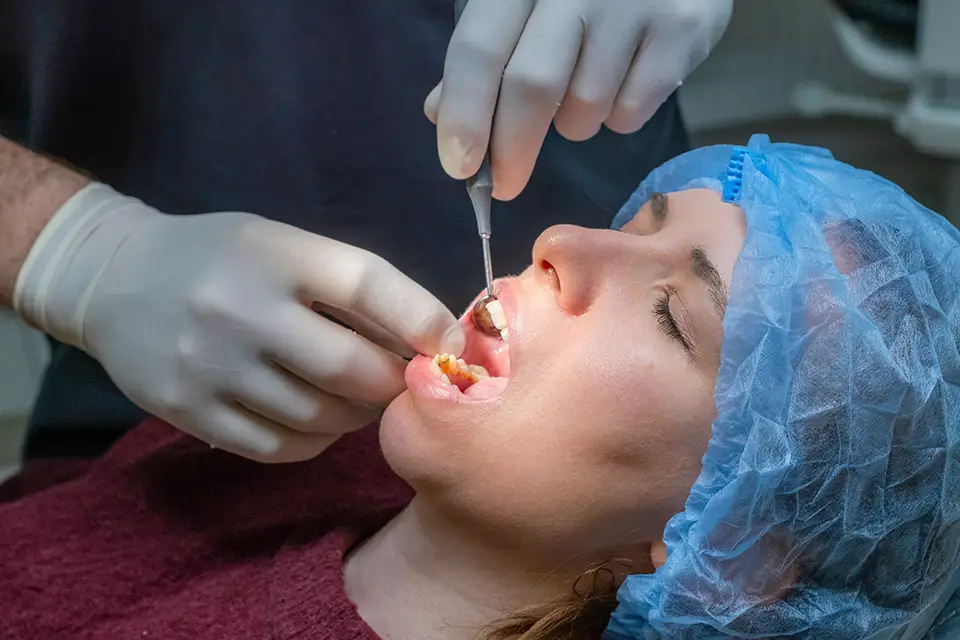
A proper cleaning is not “just polishing.” It’s structured therapy that reverses bacterial loads and calms tissues.
- Scaling Above the Gums: Removes tartar where brushes can’t.
- Sub-Gingival Debridement: Cleans just under the gum edge to stop bleeding and tenderness.
- Polish & Localized Stain Removal: Smooth surfaces so plaque has fewer places to stick.
- Targeted Fluoride/Desensitizer: Especially helpful for exposed root surfaces.
When you compare dental exam vs dental cleaning, remember the cleaning is what makes your home care work better for the next few months.
Timing Matters: The Ideal Cadence for Dental Exam vs Dental Cleaning
Most healthy adults do well with an exam and cleaning every six months; some need three- to four-month cleanings for a period to stabilize gums, then extend once things are calm. Exams are typically paired with cleanings, but we may add an exam between cleanings if symptoms change. Building cadence around your risk—not a generic schedule—keeps the dental exam vs dental cleaning balance efficient and budget-friendly.
Also Read: 10 Clear Signs You Need a Dental Exam (And What to Do Next)
What Gets Found Where: Fast Examples That Clarify Dental Exam vs Dental Cleaning
- Exam Finds: A hairline crack causing cold zings; a failing margin around an old filling; bite overload on one molar; a suspicious soft-tissue spot that needs a quick re-check.
- Cleaning Fixes: Bleeding at floss points; rough surfaces that trap stain; tartar ledges making gums puffy; lingering coffee film that dulls brightness.
Different jobs, one outcome. Understanding dental exam vs dental cleaning helps you see why both show up on your treatment plan.
Costs and Timelines (They Vary by Factors, But Here's the Logic)
Time and complexity drive fees. Exams take less chair time but require diagnostic thinking and often images; cleanings take hands-on time and sometimes multiple visits if gums are inflamed. When evaluating dental exam vs dental cleaning, consider value: catching a small cavity at an exam prevents a larger restoration later; a timely cleaning shortens appointments and keeps gums comfortable, reducing the need for deeper therapy. We provide written estimates before non-routine steps, so choices stay calm and clear.
Home Habits That Supercharge Results Between Visits
A few tiny tweaks make the dental exam vs dental cleaning rhythm work harder for you.
- Angle & Pressure: Soft brush, 45° toward the gumline, small circles—scrubbing flattens bristles and misses margins.
- Between-Teeth Care You’ll Do Daily: Floss, interdental brushes, or a water flosser—pick one and be consistent.
- Timing After Acids: Wait 30 minutes to brush after coffee or citrus to protect softened enamel.
- Night Guard if You Clench: Prevents crack spread and edge chipping, so exams stay “boring.”
- Rinse & Hydrate: Water after dark drinks keeps surfaces cleaner and polish effects longer.
These make every dental exam vs dental cleaning appointment faster and easier.
Dental Exam vs Dental Cleaning: Imaging, Photos, and Why They Matter
Targeted images aren’t routine for the sake of it; we take them when results will change decisions. Bitewings reveal between-tooth decay and bone levels; periapicals target root or crack concerns. Intraoral photos document before/after and help you compare. Imaging belongs on the “exam side” of dental exam vs dental cleaning, but its benefits show up during cleanings too—when fewer sore spots mean quicker, gentler visits.
Comfort & Anxiety: Making Either Part of the Visit Easy
Nerves are normal. We agree on a pause signal, use topical numbing where helpful, and keep narration short and clear. Sensitive areas can be desensitized before scaling, and we can split care into shorter blocks if that suits you better. Comfort planning is where dental exam vs dental cleaning overlaps: if you feel in control, you’ll keep a healthy cadence—and prevention wins.
Also Read: How Often Should You Get a Dental Exam: A Practical Guide for Leslieville
Local Advantage: Why Choose Dental Land in Leslieville
We map your risk, track gum scores over time, and share photos so you can see progress. Our hygienists and dentists work in tandem: small findings get quick fixes; bigger items are scheduled with clear priorities. You leave with two or three doable home tweaks—not a long shopping list—and a plan that keeps dental exam vs dental cleaning straightforward, predictable, and genuinely useful.
Conclusion
You don’t need to memorize terminology to get great care. When you understand dental exam vs dental cleaning, you can book with purpose, keep appointments short, and avoid surprise treatments. Ready to make your next visit calm and productive? Schedule your checkup and cleaning at Dental Land in Leslieville. We’ll confirm your baseline, tailor the cadence to your mouth—not a template—and set you up with simple habits that keep gums calm, enamel strong, and your calendar under control.
FAQs — Dental Exam vs Dental Cleaning
Do I really need both at every visit, or can I alternate?
Alternating can work once gums are stable, but most people benefit from pairing them. The exam catches small issues early; the cleaning removes buildup that exams can’t fix. Balancing dental exam vs dental cleaning is about timing more than tallying.
If my gums bleed when flossing, should I wait for the cleaning?
No—bleeding is a signal to floss more consistently, not less. We’ll adjust the technique during your visit. Mild inflammation is a cleaning target, but daily care calms tissues faster and makes dental exam vs dental cleaning appointments smoother.
How often do I need X-rays with an exam?
It depends on risk: new symptoms, visible changes, or time since last images. We take them when findings will change decisions—part of the “exam” side in dental exam vs dental cleaning.
Can a cleaning whiten my teeth?
Polishing removes surface stain and brightens a shade you already have, but it doesn’t bleach internal pigments. If colour goals are higher, we’ll discuss whitening after your teeth are freshly cleaned.