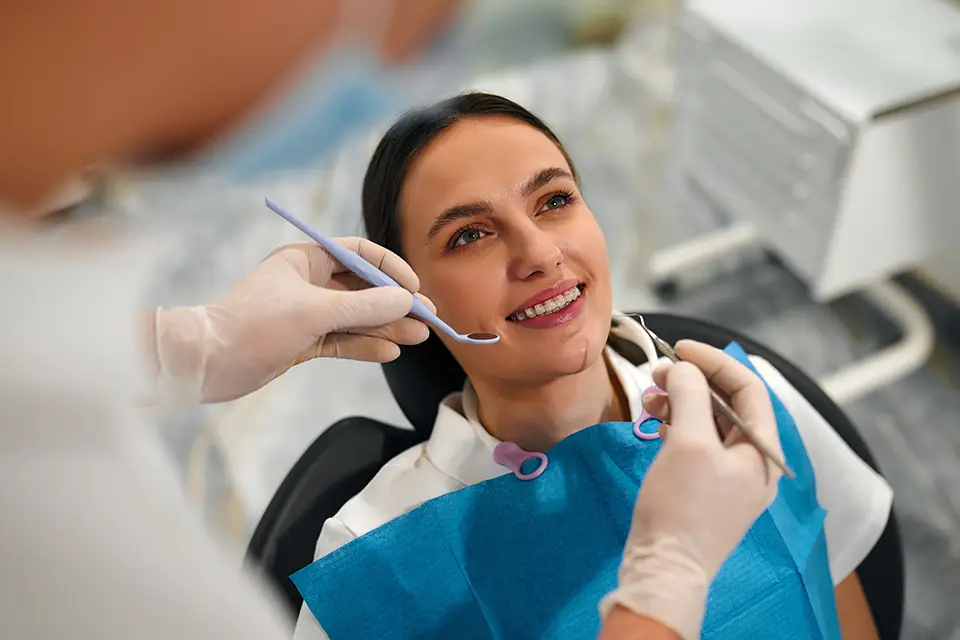
If you’re a parent, you’ve probably wondered at some point: When should I take my child for their first check-up? What actually happens there? Will they be scared? Those are fair questions. At Dental Land in Leslieville, we see how much calmer kids (and parents) are when they know what a dental exam for children really involves. A well-run dental exam for children is not about rushing a child through a chair; it’s about building trust, spotting small issues early, and making the experience feel normal—not stressful. And if you’ve been searching for convenient dental exams Leslieville, you’re in the right neighbourhood.
Why Early Dental Exams for Children Matter
Baby teeth feel temporary, but the habits built around them are not. An early dental exam for children—usually around age one or within six months of the first tooth—helps us:
- Check that teeth are erupting in the right order and position
- Look for early signs of decay, especially from night bottles, snacks, or juices
- Talk with you about brushing, fluoride, and simple daily routines that actually work
Most first visits are short and gentle. The win might simply be that your child sits in the chair, lets us count a few teeth, and leaves smiling. That’s a strong start.
What Happens During a Dental Exam for Children at Dental Land
Think of a dental exam for children as a guided walkthrough, not a test your child can pass or fail.
A typical visit with us includes:
- Calm introduction: We start by saying hello, showing a mirror, and letting your child see a few instruments. No sudden surprises.
- Visual and clinical check: We look at each tooth, the gums, and the way the jaws are growing. We’re checking for early cavities, worn spots, enamel defects, and any areas that might need watching.
- Gentle cleaning (when appropriate): For slightly older children, we may remove soft plaque or early tartar. Everything is explained in simple language—”cleaning sugar bugs” is more effective than technical terms.
- Bite and habit review: We look at spacing, thumb-sucking, grinding, and mouth breathing—things that can affect long-term development. This is where a dental exam for children helps prevent bigger issues later.
- Time for your questions: We expect questions about flossing, fluoride, snacks, soothers, sports guards—you’re not overthinking; you’re being thorough.
Each step is paced according to your child’s comfort. If they’re nervous, we slow down. The relationship matters more than getting every last box ticked in one day.
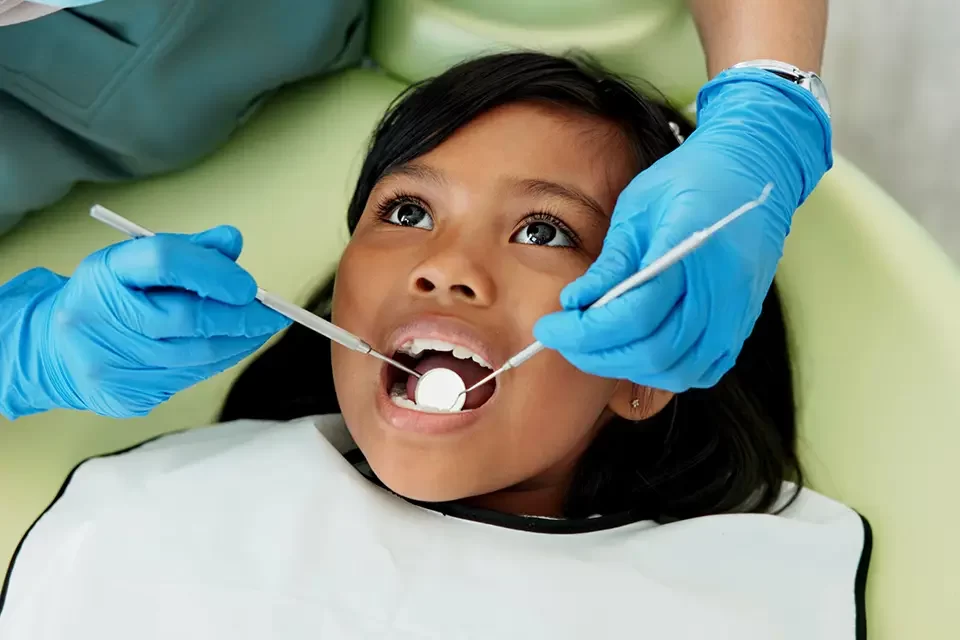
How We Keep a Dental Exam for Children Positive (Without Forcing It)
A lot of anxiety around a dental exam for children comes from how it’s handled, not from the exam itself.
At Dental Land, we:
- Use honest but gentle wording (“We’re going to count your teeth,” not “This won’t hurt”).
- Let children see and touch safe items before they go in their mouths.
- Avoid pinning down or pushing through full panic; that kind of visit sticks in the wrong way.
- Work with parents as a team—sometimes having you close helps, sometimes a small bit of independence works better. We’ll guide you.
The aim is that your child leaves thinking, “That wasn’t bad,” instead of “Never again.” That’s how each dental exam for children builds on the last.
Also Read: Signs You Need a Dental Exam: The Clear Clues You Shouldn’t Ignore
How Often Should Children Have a Dental Exam?
For most kids, every six months is a good rhythm. Some may need more frequent reviews if they:
- Have a history of cavities
- Wear orthodontic appliances
- Have medical conditions affecting saliva or immunity
- Are still getting used to good brushing at home
Regular dental exam for children appointments mean we’re catching small problems before they become pain, infection, or emergency visits. It also means your child gets used to seeing us when nothing is wrong—that’s powerful.
Signs Your Child Should Be Seen Sooner
You don’t have to wait for the next routine dental exam for children if you notice:
- Sensitivity to hot, cold, or chewing
- A dark, brown, or chalky white spot that wasn’t there before
- Swollen or bleeding gums that persist
- A broken tooth after a fall
- Ongoing bad breath despite good brushing
Early checks are simpler for your child and give us more conservative options.
How Parents Can Make Dental Exams for Children Easier
Your role makes a real difference. A dental exam for children tends to go more smoothly when:
- You keep explanations short and neutral: “They’ll look at your teeth, count them, and make sure they’re strong.”
- You avoid using the dentist as a threat or punishment.
- You model calm—kids read your body language long before they hear our words.
- You treat the appointment like a normal part of health care, not a rare event to panic about.
If you’re anxious yourself, tell us quietly. We’re used to supporting both generations.
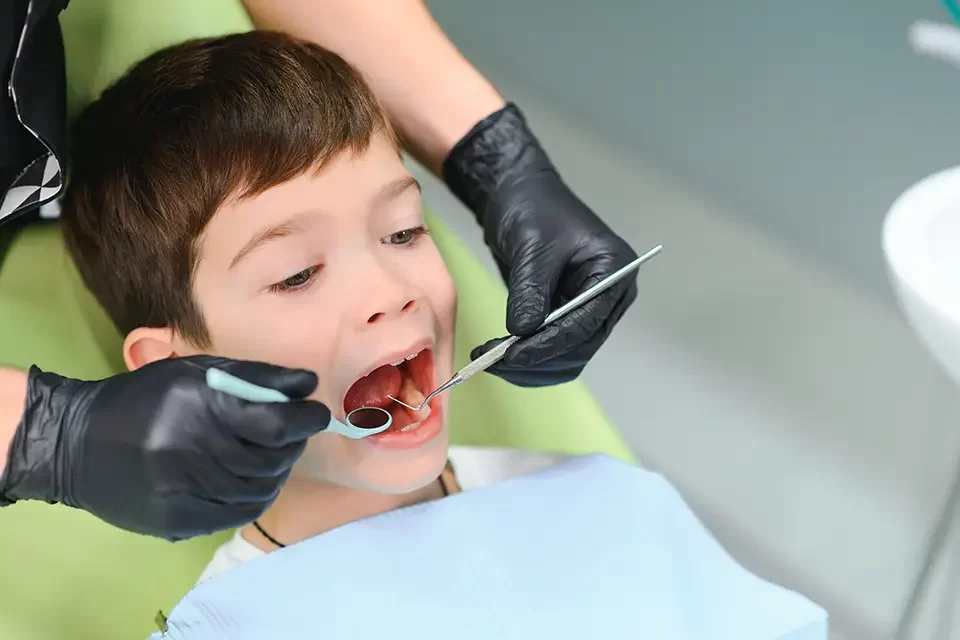
Why Families Choose Dental Land in Leslieville
Families don’t just need a clinic; they need a place that understands how a dental exam for children fits into real life.
At Dental Land in Leslieville, we:
- Take time to learn your child’s personality, not just their chart
- Focus on prevention and clear, honest communication
- Explain any recommended treatment so you’re never guessing
- Build long-term relationships, so your child grows up feeling looked after, not rushed
You should leave feeling informed and reassured—not talked at.
If it’s time for your child’s next dental exam for children, or you’re unsure where to start, we’re here to help. Contact Dental Land in Leslieville to book a visit that feels calm, kind, and genuinely focused on your child’s comfort and long-term oral health.
Also Read: When Should Wisdom Teeth Be Removed: Timing, Signs, and Recovery
FAQs: Dental Exam for Children
When should I book the very first visit?
Ideally, around age one, or within six months of the first tooth. An early dental exam for children keeps things simple and sets a healthy pattern.
What if my child cries or refuses to open their mouth?
It happens. We don’t label it a failure. Sometimes we adjust expectations, keep it short, and try again another day. Our goal is progress, not pressure.
Do baby teeth really need treatment if they'll fall out?
Yes. Untreated problems in baby teeth can cause pain, infection, difficulty eating, and affect how adult teeth come in. Regular dental exam for children visits help prevent that.